Anesthesia Machine | Uses, Types, Features & Buying Guide | ALIS PRO
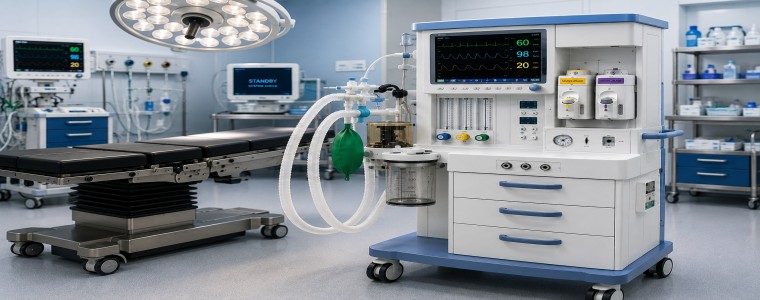
Explore high-quality anesthesia machines for safe surgical procedures. Advanced anesthesia solutions with precision, safety, and reliability from ALIS PRO.
An anesthesia machine is an indispensable part of medical care when a patient requires breathing help or is undergoing a surgical treatment where medical gases and anesthetic agents need to be controlled to the body. An anesthesia machine allows anesthetists to balance between making the patient sedated to the best of anesthesia with support of oxygen and monitored respiration and blood pressure during operation.
High safety measures have been placed on the contemporary anesthesia equipment for optimum output in the medical sector, including anesthetic agents’ delivery systems, air and also blood flow supports system.
At ALIS PRO, we source advanced anesthetic equipment including: Anesthesia machine: we equip Operation theater in hospitals, surgery center, healthcare facility, clinic in the market for reliable usage.
Why do we need Anesthesia Machine?
An anesthesia machine supports the vital functions of a patient's life by ensuring safe, comfortable and easy breathing during surgery.
Why Should we need Anesthesia Machine Key Features
Delivering Precise Anesthesia safely
Delivering accurately measured amounts of anesthetic gasses so that the patient can remain in a sleep like unconscious state during surgery.
Continuous supply of Oxygen during surgery
Providing constant oxygen to the patient so that they get enough oxygen during the surgery time.
Assisting Ventilations
Helping the patient to breathe naturally and can also perform artificial and assisted breathing when the patient does not have its own respiratory system.
Monitoring the breathing system of a patient
Allowing an operation’s team to monitor the breathing patterns and operations during a medical operation.
Making the operations accurate
A surgeon gets his operations done in more exact way because of the stable and motionless patient while undergoing the anesthesia.
Making it a Safer Procedure
Modern features for anesthesia make the surgical procedure more comfortable for patients.
Lower Anesthesia Risk
Accurate measurement and delivery of gasses for anesthesia significantly minimizes anesthesia related risks.
Applicable in All Surgical Operations
It is widely used in different surgeries including all the general surgery and all types of other surgery like Cardiac surgery, ENT surgery, Gynecologic surgery, orthopedic surgery, neurosurgery.
Uses Of Anesthesia Machines in Medical Practice
The anesthesia machine in various healthcare settings is designed to offer anesthesia and support the patient's breathing while undergoing a surgery. This medical equipment consists of an oxygen flow that maintains the supply to an anesthesia control device.
Common uses of the anesthesia machine are in various surgical and diagnostic procedures such as:
- In operation Theatres. This is primarily done for safely managing an anesthetized patient during the operation or even surgery.
- General surgery and orthopedic surgery etc. The anesthesia machine is also utilized to assist a surgeon in complex surgeries like in orthopedic surgery or in procedures of general surgery or in the cases of complex cardiac surgery.
- The Machine is used in various cardiac and neuro surgeries. The anesthesia machine is ideal in providing support in these delicate cases like cardiac surgeries, heart surgeries and even to aid a neurosurgeon in delicate operations like surgeries of the spine and brain.
- The anesthetic Machine finds its use in ENT, Gynecology and Dental Surgeries. It is beneficial in treating gynecological conditions, ENT surgeries and dental operations or any complicated dental treatment of gums and teeth requiring anesthesia.
- Anesthetic machines can be used during Emergency, Daycare Surgeries. This medical equipment is also ideal in emergency medical operations, as it provides quick breathing support along with the safe use of anesthetic drugs.
Types of Anesthesia Machines
Some anesthesia machines are required based on the clinical needs of the health facility.
1. Continuous Flow Anesthesia Machine
Suitable for continuously supplying oxygen, and anesthetizing gases during the operations procedure.
Features
- Accurate gas delivering.
- Suited for almost all types of operative procedures.
- Dependable results.
2. Advanced Anesthesia Workstations
Anesthesia machines feature digital displays, advanced patient monitoring, as well as breathing systems.
Features
- Advanced patient breathing systems provide the needed support.
- Maintain the vital signs within physiological limits.
- Safety alarms.
- Gas monitoring.
3. Portable Anesthesia Machines
Portable anesthesia systems intended for use in acute care, ambulatory surgery, and outreach healthcare environments.
What Features Should You Look for in an Anesthesia Machine?
The anesthesia machine is the central piece of equipment for safe anesthetic administration and effective patient management. Your choice of anesthetic equipment is crucial for the best possible outcomes. Here are some key features you should be on the lookout for when buying your next machine:
Accurate Gas Flow Control
Delivers the necessary amounts of fresh gas to meet patient demand for oxygen and anesthetic agents. It must have excellent precision, especially in the lower flow ranges for oxygen.
Ventilator
An anesthesia machine with an integrated, precise ventilator allows both partial or total control over the breathing during a surgical procedure.
Patient Monitor Interface
Designed for integrated connection to a patient monitor to facilitate real-time vital sign data. This integration may be as simple as the availability of ports, or more complex data transfer capability.
Alarms
A comprehensive, integrated alarm system warns clinicians of potential problems, such as low or no oxygen pressure in the circuit, gas leaks, or ventilator issues.
Oxygen Flush Feature with Flow Control and Lockout
This enables rapid administration of high flow oxygen if needed, but should ideally prevent an inability to make changes at the circuit by locking when full or by providing manual overrides of controls that would otherwise become difficult or impossible to operate. It should prevent delivery of too little oxygen with other gas mixtures.
Anesthesia System Seal Check and Leak Check Capabilities
This functionality must be a key aspect of the pre-use checklist to determine the integrity of the breathing system and help avert delivery of under or over doses to the patient.
Multiple Ventilation Modes
A wide selection of ventilator settings, including volume or pressure-controlled modes, positive and expiratory pressure and several breathing assist options provides flexibility.
Backup Battery Supply
Essential, an integrated battery will ensure continued operation in case of primary power interruption, a must have feature!
Durable Construction
Engineered with robust, reliable parts to perform consistently in busy operating room environments.
Ease of Maintenance
Easy to clean, service and maintain ensure long-lasting performance and minimize downtime.
How Do Anesthesia Machines Work?
Types Of Machines Used
An Anesthesia machine is a device that combines an anesthetic gas or vapor and oxygen in the correct ratio to create an anesthetizing atmosphere for a patient undergoing surgery. A machine supplies the required medical gas mixture to the patient to ease pain and cause loss of consciousness.
Functions
Anesthesia machines perform various functions; such as:
- Medical gas supply and mix: The system supplies medical oxygen and other gases, then accurately mixes all the anesthetic agents as requested.
- Gas distribution: The system pumps a precisely mixed gas to the patients.
- Breathing support: Through mechanical support or ventilating functions, the system helps regulate breathing for the patient when necessary.
- Monitoring: In terms of patient and ventilator’s oxygen level, positive pressure etc., they also monitor the system’s functions and ventilation.
- Carbon dioxide absorption: A CO2 absorber removes the expired CO2 for recycling in the patient breathing circle.
Benefits of a Modern Anesthesia Machine
When facilities have the option to choose a new anesthesia machine, it should be at the top of the list to go with a modern, smart solution, which will provide multiple advantages and allow them to optimize patient care and operational efficiency.
When upgrading their anesthesia machines, healthcare facilities experience numerous clinical and operational benefits. Smart anesthesia machines have made the clinical environment more dynamic and accessible while also enhancing patient safety.
High Degree of Anesthesia Accuracy
The delivery device ensures that accurate, repeatable anesthetizing occurs, and with the right settings in place the device may provide additional benefits to avoid over or underdosing the anesthetic as well.
Tailored Anesthesia Delivery
Instead of relying on approximate amounts that come out of antiquated vaporizers, which only approximate delivery, the device controls the delivery and ensures adequate delivery of an anesthetic to patients based on the needs of the particular procedure.
It gives the operator the peace of mind knowing patients receive enough to be prepared, but not too much that will hinder their recovery or well-being.
Enhanced Patient Safety
Many modern units now have improved patient monitoring capabilities. Air leak detection on newer machines not only prevents leakage of anesthetic in the room, increasing clinician safety, but it also alerts to lung leaks that are detrimental to the patient.
Gas shutoff, backup breathing options, and other failsafe modes can further help a hospital maintain high safety standards and lower the rate of complications due to the anesthetization process itself.
Continuous Respiratory Support
Modern machines with synchronized breath features make them perfect for many different types of operations, such as when long-term respiratory care is needed.
With smart ventilation modes that can provide breath-by-breath adjustments based on how the patient tolerates the surgery or how anesthesia is affecting them, these systems offer dependable respiratory management.
Easy Patient Monitoring
The modern interface is often designed with interactive monitors, allowing providers to obtain relevant information such as breathing pressures, oxygen concentration, gas flow, and anesthetic levels at a glance.
This enables quick clinical decisions while improving patient safety throughout the procedure.
Efficient Ventilation Performance
Many anesthesia machines also function as advanced ventilators. These ventilation capabilities prepare the operating room for both routine and long-term respiratory management based on individual patient requirements.
User-Friendly Operation
Modern anesthesia machines are designed with intuitive interfaces and interactive touch-screen displays that simplify operation.
Easy-to-use controls reduce the learning curve for new healthcare professionals while improving workflow efficiency for experienced anesthetists.
Reliable Performance
Once a surgical procedure begins, healthcare professionals cannot afford equipment failure. Modern anesthesia machines are designed to deliver dependable, precise, and consistent performance throughout every surgical procedure.
They are equipped with improved materials, intelligent sensors, and updated software that minimize equipment failure and reduce downtime.
Easy Maintenance
Modern smart anesthesia devices are simple to install, maintain, service, and update, helping healthcare facilities maintain an efficient and reliable operating room environment.
Versatility
Anesthesia machines are capable of supporting procedures of all durations and complexity levels.
They are suitable for numerous medical specialties because anesthesia plays an essential role in almost every surgical procedure.
Long-Term Durability
Investing in a modern anesthesia machine represents a long-term investment for healthcare facilities.
These systems not only perform efficiently throughout daily clinical use but are also engineered to remain reliable for many years with proper maintenance.
Buying Guide – Choosing the Best Anesthesia Machine
Consider the nature of the surgeries you will perform at your hospital, the patient volume and degree of care required during the administration of anesthetics when choosing your anesthesia machine.
Buying Checklist
- Gas Delivery Accuracy: The machine should accurately and consistently deliver oxygen and the intended anesthetic gases.
- Ventilator Performance: For patients requiring mechanical ventilation, the ventilator should have accurate and consistent performance.
- Monitoring Compatibility: The anesthesia machine must be able to connect to a variety of patient monitoring equipment to measure respiratory gases and other vital signs.
- Safety Features: Adequate safety features should be integrated into the machine including interlocking mechanisms, emergency oxygen systems and alarms to prevent hazards and provide an early warning for potential problems.
- Ease of Operation: The controls and interface should be straightforward to allow the anesthetist to operate the machine safely and efficiently under pressure and with minimal training.
- Build Quality: The machine should be robust and reliable, constructed from materials that can withstand the rigors of daily use in the hospital or operating room environment.
- Battery Backup: The machine should incorporate battery power so that it can remain operational for a period of time in the event of a power outage.
- Maintenance Requirements: Look for a machine that is easy to maintain with the least possible downtime.
- Warranty: The manufacturer should offer a warranty on the new machine and components that covers manufacturing defects.
- Service and Technical Support: After purchasing, it’s important to have a reputable company that provides ongoing service, maintenance, and technical support.
Anesthesia Machine Maintenance Tips
Maintain anesthesia machines for reliable and accurate performance and for patient safety with daily and ongoing scheduled maintenance.
Maintenance Guidelines
- Daily checks should be performed on the anesthesia machine prior to each use.
- Inspect breathing circuits for proper connections, leak, and damage. Ensure the circuits are clean.
- Filters (air and gas) should be replaced according to the manufacturer’s instructions to maintain the delivery of clean air to the patient.
- The gas monitoring systems of the anesthesia machine should be calibrated as required to ensure accurate concentrations are delivered and measured.
- All external surfaces of the anesthesia machine should be wiped down thoroughly after each use.
- The unit should undergo routine preventive maintenance.
- Refer to manufacturer’s instructions.
Why Prefer ALIS PRO for Anesthesia Machines?
ALIS PRO provide excellent anesthesia machines and medical hospital equipment in hospital, operation theater, surgical clinic, healthcare clinic, specialty clinics etc.
Why ALIS PRO Selected by Healthcare Professional
- High-Quality Medical Equipment
- Affordable Anesthesia Machine Solutions
- User-Friendly, Longer Lasting Products
- Best Market Prices
- On-Time Delivery
- Excellent After-Sales Support
- Variety of Hospital and Medical Supplies
- Quality assurance with the best customer experience.
Common Questions and Answers (FAQs)
- What is an anesthesia machine?
- What anesthesia machine for?
- How do I select the optimal anesthesia machine?
- What equipment does anesthesia machine needs to have?
- Why chose ALIS PRO as an anesthesia machine supplier?
Conclusion
Anesthesia machine is an important component in modern OR and modern theater rooms. The modern anesthesia machine ensures that the process of the administered anesthesia delivery can be effective with an even administration of anesthetics which helps in maintaining airway and gives continued support on the respiration of patient during the operation of a particular surgery.
Selecting a good quality anesthesia machine helps improve the safety, support the patients’ respiratory system throughout the procedure and supports proper functioning and accuracy while delivery the gas mixture during any surgery, thus giving good results to the patients.
ALIS PRO providing quality durable and comprehensive medical equipment and accessories including that of a quality anesthesia machine supply for hospital, surgery center and healthcare organizations.
AlisSend Us a Message
Tell us about your facility and equipment requirements.
Share the products you need, quantities, delivery location, or any technical questions. We'll respond with the right guidance or a quotation.
Need Equipment?
Talk to our team directly.
Share your requirements and we will help you find the right equipment for your facility.